What We Do
ATTIC INSULATION
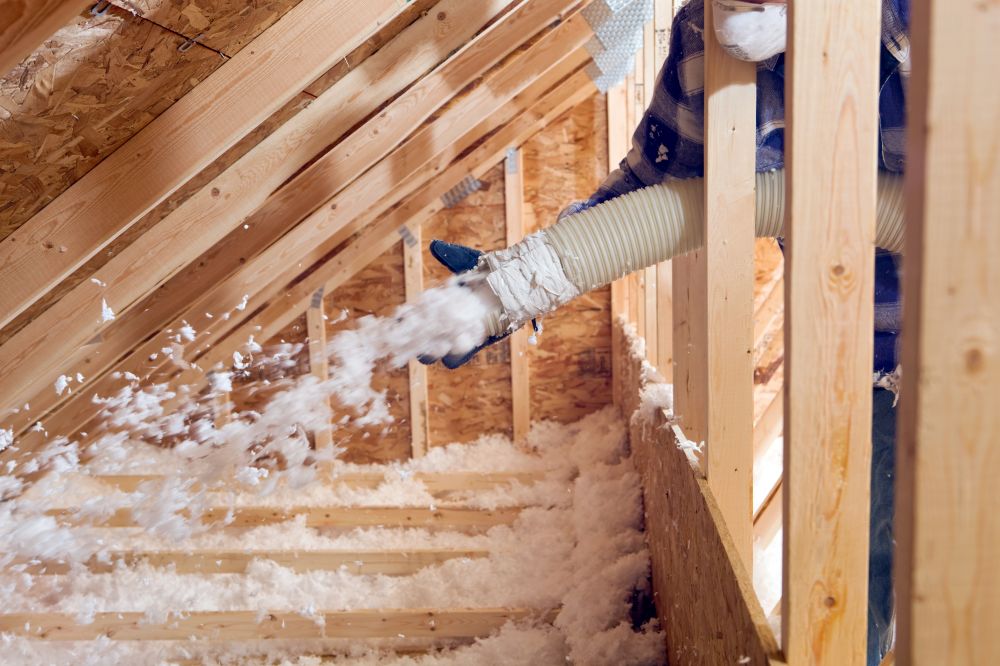
Why Should I Insulate My Attic?
Most attics are unfinished storage spaces. They’re also the perfect place to start saving money. The Environmental Protection Agency (EPA) estimates the average homeowner can save up to 11 percent on their total energy costs by air sealing and adding insulation in their attics.
A poorly insulated attic forces your heating and cooling equipment to work that much harder to maintain a set temperature. An overworked HVAC system costs more to run. You’re letting money escape through the cracks, and you’re compromising your equipment’s efficiency.
Well-insulated attic space protects your indoor air quality (IAQ) and your health. It creates a barrier that prevents outdoor pollutants from entering your home. Additionally, ensuring a proper air seal covers holes that could allow for moisture buildup and encourage mold growth.
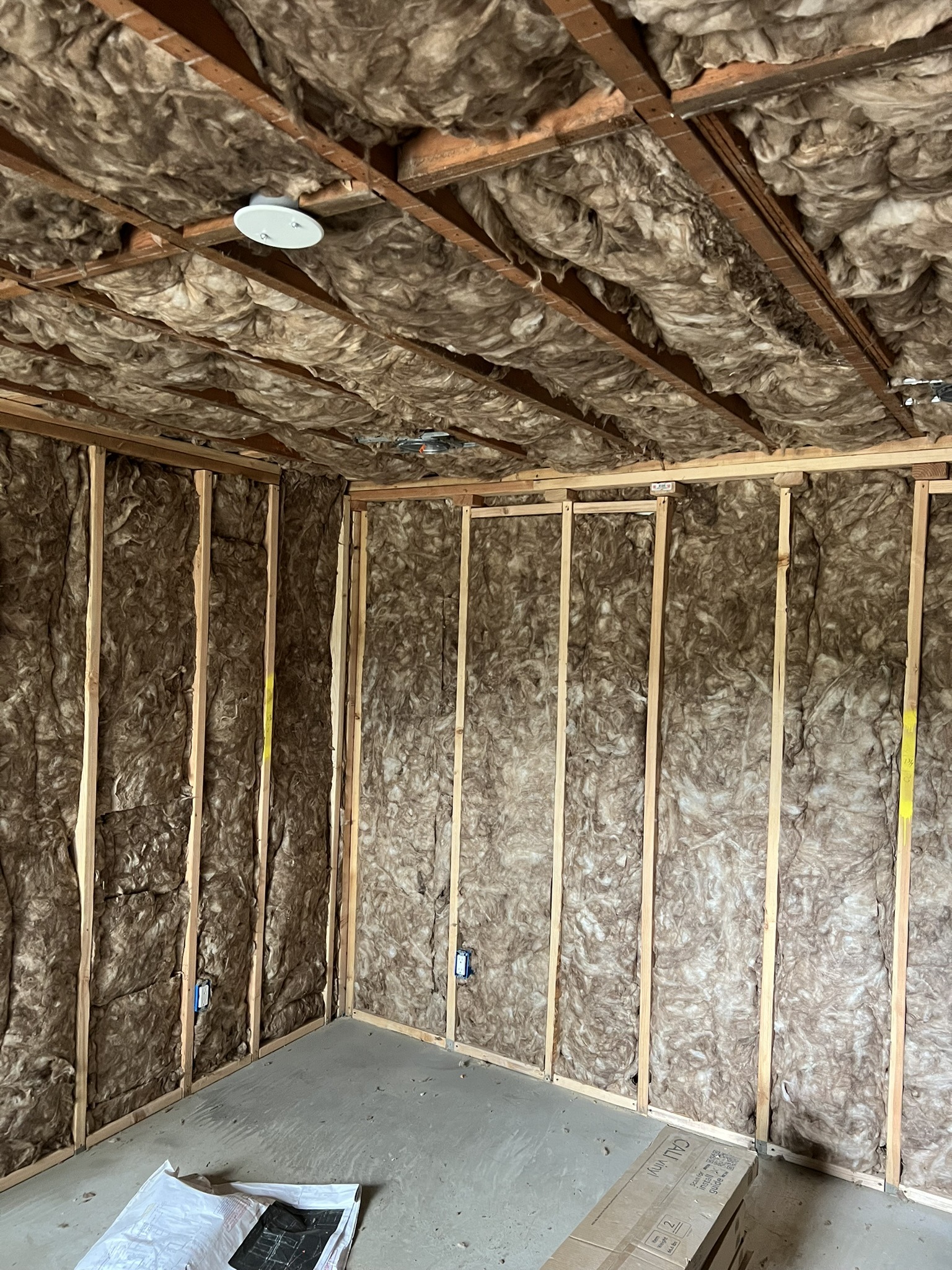
Batt Insulation
Fiberglass batts provide quality insulation at a competitive price. Properly installed, it’s the most affordable way to effectively insulate a home. This insulation type is a great option for just about anywhere—exterior walls, floors, ceilings, attics, basements, and other areas of your home. Homeowners love fiberglass because it is cost effective, easy to use, and poses no fire threat. Plus, it is a terrific thermal insulator.
Spray Foam Insulation
Spray foam insulation reduces air leakage and gives maximum comfort to your home. With mechanical ventilation, it is an effective moisture management strategy too.
Spray foam has an advantage over other forms of insulation because it can fill tight crevices. It is the strongest option for maintaining indoor temperature. Plus, homes insulated with spray foam enjoy better protection against mold and mildew. It also creates a natural sound barrier so you can enjoy your quiet time.
Benefits include:
Thermal resistance — enjoy lower heating and cooling costs. Spray foam fills gaps and voids to create a barrier that prevents energy loss. It also provides a superior R-value (resistance to heat flow / insulating power).
Moisture barrier — controls moisture to help prevent mold, mildew, and bacterial growth. Plus, it keeps out dust and other pollutants to maintain a healthy indoor air quality (IAQ).
Air barrier — creates a seamless insulated barrier to minimize air leakage and reduce outside noises.
CRAWL SPACE INSULATION
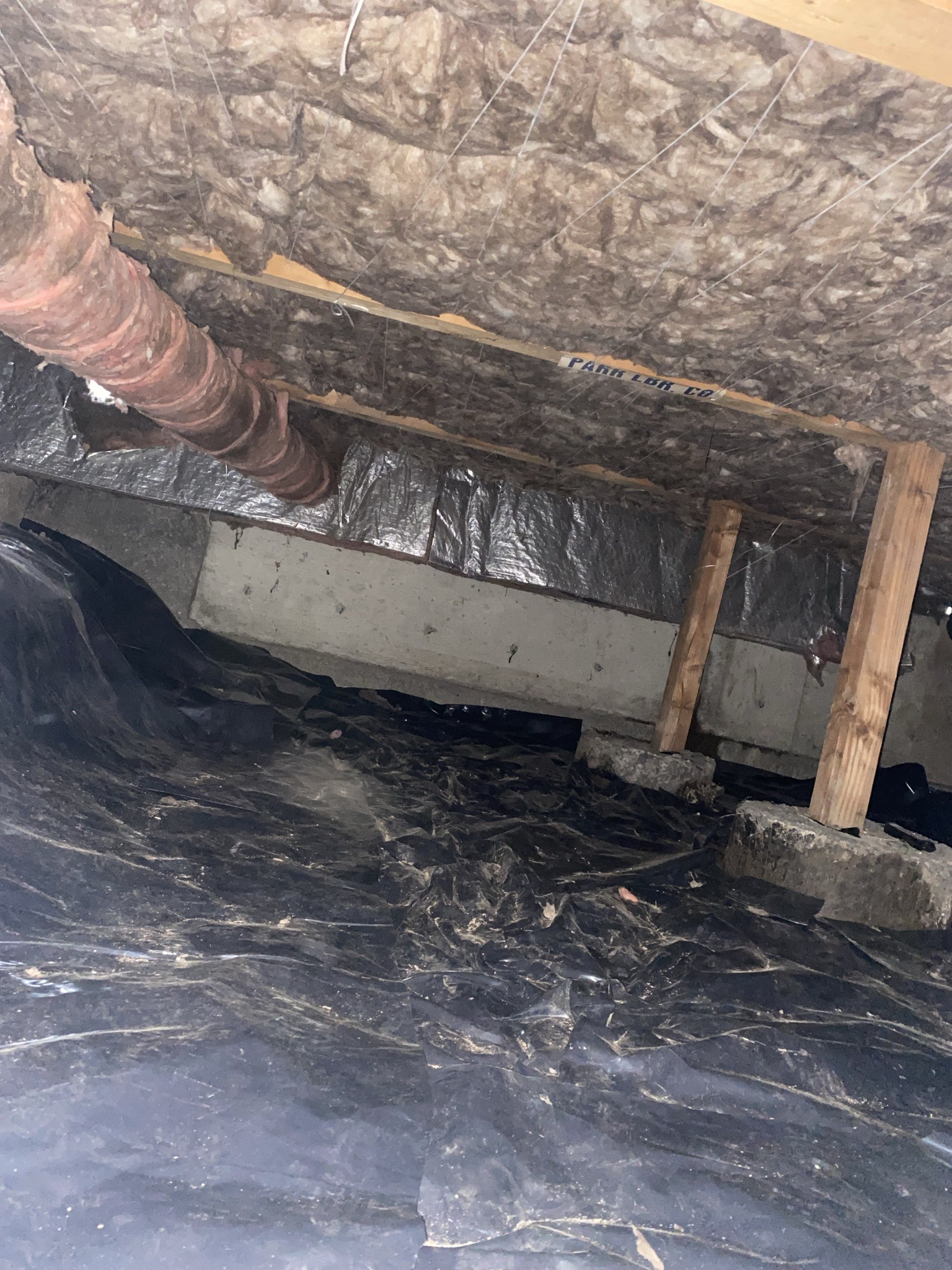
Insulating your Crawl Space
A well-insulated crawl space prevents moisture, radon, and other irritants from entering your home. You’ll first want to prep the crawl space by sealing air leaks. That includes holes around drain lines, plenums for ductwork, and around electrical wiring and plumbing.
Our professionals at HomeRx can help you choose the right type of insulation and the best R-value for your location. Remember, the higher the R-value, the greater the insulating power.
Types of Insulation
What kind of crawl space insulation is best?
Spray foam is always a preferred option—but also your most expensive choice. cellulose and fiberglass also make great options. Be sure to insulate all the ductwork in the crawl space.
Batt Insulation
Fiberglass batts provide quality insulation at a competitive price. Properly installed, it’s the most affordable way to effectively insulate a home. This insulation type is a great option for just about anywhere—exterior walls, floors, ceilings, attics, basements, and other areas of your home. Homeowners love fiberglass because it is cost effective, easy to use, and poses no fire threat. Plus, it is a terrific thermal insulator.
Spray Foam Insulation
Spray foam insulation reduces air leakage and gives maximum comfort to your home. With mechanical ventilation, it is an effective moisture management strategy too.
Spray foam has an advantage over other forms of insulation because it can fill tight crevices. It is the strongest option for maintaining indoor temperature. Plus, homes insulated with spray foam enjoy better protection against mold and mildew. It also creates a natural sound barrier so you can enjoy your quiet time.
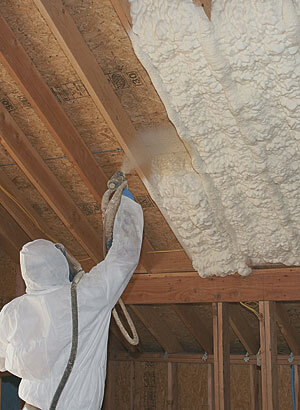

Benefits include:
Thermal resistance — enjoy lower heating and cooling costs. Spray foam fills gaps and voids to create a barrier that prevents energy loss. It also provides a superior R-value (resistance to heat flow / insulating power).
Moisture barrier — controls moisture to help prevent mold, mildew, and bacterial growth. Plus, it keeps out dust and other pollutants to maintain a healthy indoor air quality (IAQ).
Air barrier — creates a seamless insulated barrier to minimize air leakage and reduce outside noises.
Advantages of Crawl Space Insulation
It starts with comfort. Insulating the crawl space and other areas of your home seals in the warm air during the winter and keeps out the muggy weather in the summer!
Do you live in an older home? Chances are, it is under-insulated. A home energy audit will help determine which parts of your home could use added protection.
Some other advantages to air sealing and insulating your crawl space include:
Reduce your monthly utility bills
Maintain a more comfortable home
Improve your indoor air quality
Keep a pest-free crawl space
Prevent your furnace and air conditioner from overworking
GARAGE INSULATION
Why Should I Insulate My Garage?
Cold weather can take its toll on any items with batteries, along with paints and other chemical-based products you might store in your garage. Insulation helps protect your valuables. Adding insulation that has a vapor barrier will help keep everything dry and mildew-free.
Here are some other benefits to consider:
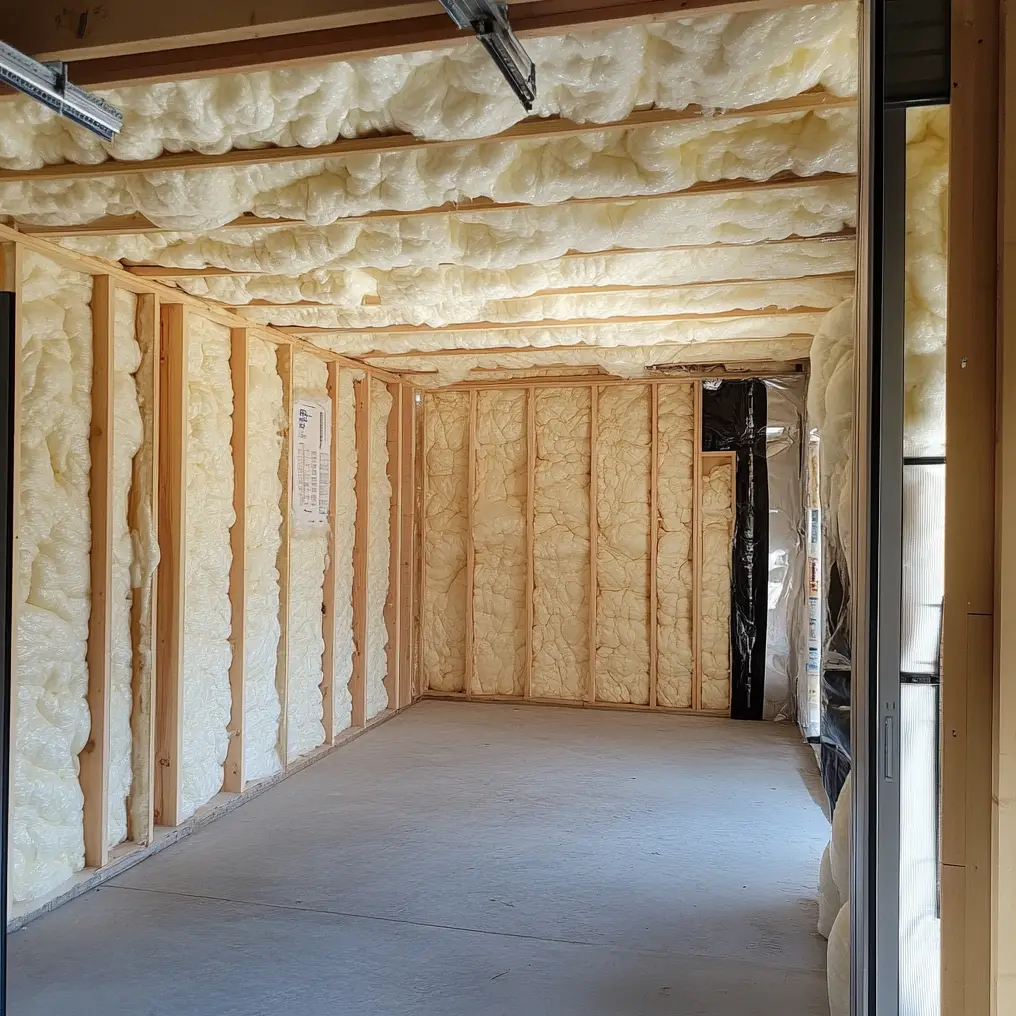
Create a Comfortable Workspace
You may want to convert your garage into a rec room, workshop, or workout space. Insulating first will make the area much more comfortable.
Filter Out the Noise
Adding insulation in your garage blocks noise coming into your home—and gives you a quiet space if you want to escape a noisy household!
Increase Your Property Values
Insulating your attached garage can lower your heating and cooling bills. That’s an attractive selling point if you ever plan to put your home on the market.
What is the Best Garage Insulation?
When it comes to garage insulation, choosing the right type is crucial for comfort, energy efficiency, and protecting your belongings. At HomeRx, we offer a variety of garage insulation options tailored to meet your specific needs, whether your garage walls are finished or unfinished.
For garages with unfinished walls, you have several excellent insulation options:
Spray Foam Insulation
Spray foam provides superior air sealing and the highest R-value per inch, making it an excellent choice for maximum energy efficiency. It expands to fill every nook and cranny, ensuring there are no gaps where air can escape or enter.
Blow-In-Blanket System (BIBS)
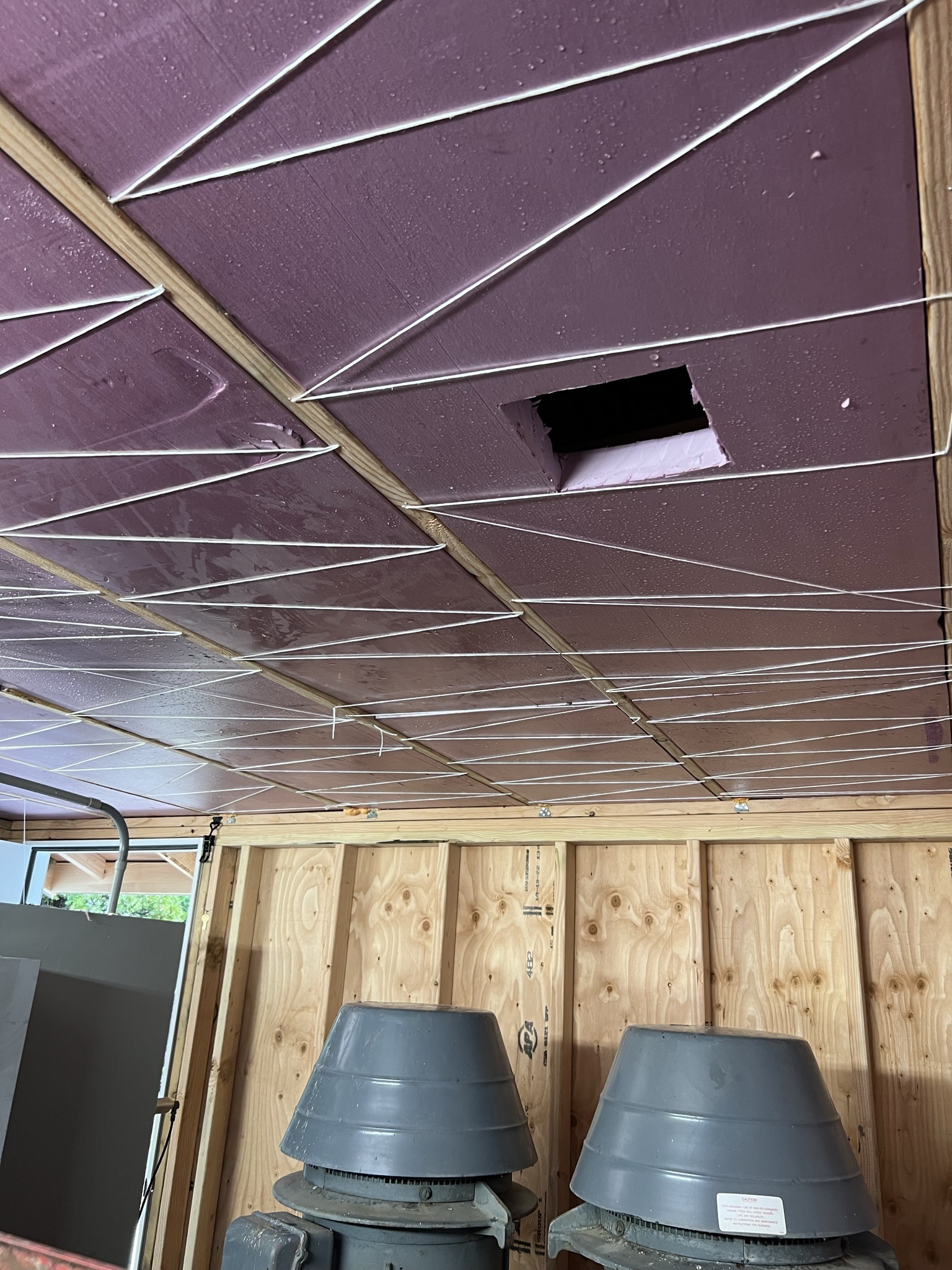
BIBS uses loose-fill fiberglass blown into netting, creating a dense and effective insulating layer. This method is particularly beneficial for garages, offering great thermal performance and sound control.
Fiberglass Batt Insulation
Traditional fiberglass batts are a cost-effective and efficient option. They are easy to install and provide good thermal resistance, making them a popular choice for unfinished garage walls.
Insulating Finished Garage Walls
If your garage walls are already finished, HomeRx can still improve your insulation without the need for major renovations. The Drill-and-Fill Insulation method involves drilling small holes into the finished walls and filling the cavities with either fiberglass or cellulose insulation. This technique effectively enhances the insulation of your garage without compromising the existing wall structure.
Fiberglass Insulation:
Blown-in fiberglass insulation provides a lightweight and effective solution for adding insulation to finished walls. It improves thermal performance and helps in soundproofing.
Cellulose Insulation:
Made from recycled materials, cellulose insulation is an eco-friendly option that offers excellent thermal performance and fire resistance. It is densely packed into wall cavities, providing an effective barrier against heat loss and gain.
What Are the Best Areas to Insulate?
You can insulate all the walls, ceiling, and garage doors for the best results. Or, if you prefer, save money and time by only insulating the internal wall of your garage. Doing so will reduce any drafts from your garage into your living space—plus, it keeps heat from escaping your home in the winter months.
Our home energy audit can help you determine which areas of your garage are best suited for insulation. We can then work together to choose the best materials that fit your budget and accomplish your goals.
WALLS INSULATION
Why You Need to Insulate Your Walls
Wall insulation is essential for reducing drafts, supporting consistent and even temperatures, and ensuring comfort throughout your home. Proper wall insulation keeps conditioned air inside your home, ultimately preventing your heating, ventilation, and air conditioning (HVAC) system from overworking. As a result, it helps reduce energy use and expenses.
Here is an overview of the benefits of wall insulation:
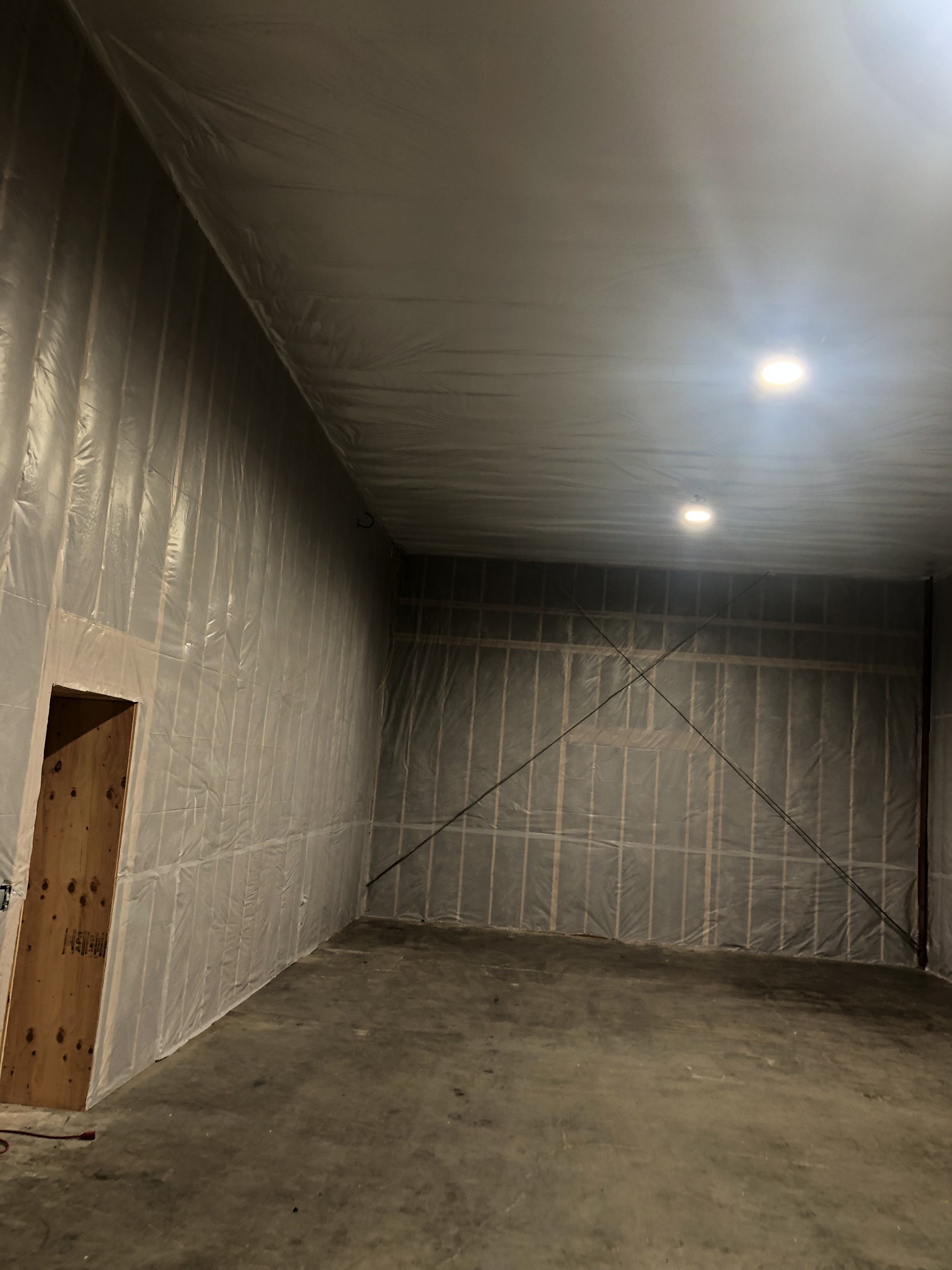
Supports an energy-efficient home:
Poorly insulated walls and walls with no insulation are a source of heat transfer. Since there is no barrier, warm air will escape through your walls during the colder months and hot air will seep through when it is warmer outside. Combat this by ensuring your walls are properly insulated. Wall insulation provides a thermal barrier that minimizes heat flow and reduces your home’s energy use.
Helps you save on energy costs:
By reducing heat loss and gain through walls, insulation helps to stabilize indoor temperatures. This leads to less reliance on heating and cooling systems, resulting in lower energy bills and long-term cost savings. With reduced energy consumption, you can expect substantial savings on your utility bills. Over time, you can recoup the cost of installing wall insulation through these ongoing energy savings.
Improves your overall comfort:
Insulated walls can increase your comfort at home. They support consistent temperatures and reduce hot and cold spots. With proper insulation, you can enjoy a cozy atmosphere during the winter and a cooler space during the summer.
Reduces noise level:
Wall insulation also acts as a sound barrier. It helps absorb and dampen noise from outside. As a result, you will enjoy the quiet inside your home instead of hearing your next-door neighbors, the garbage truck, nearby traffic, and other types of outdoor noise pollution.
Increases property value:
Insulation is a selling point and adds value to your home. Energy-efficient properties are desirable and appeal to many homebuyers.

Types of Wall Insulation
There are several different types of wall insulation available. HomeRx can help you select the best kind of insulation for your home based on your particular needs and the needs of your home while also keeping your budget in mind.
Batt Insulation (Good)
Fiberglass batts provide quality insulation at a competitive price. Properly installed, it’s the most affordable way to effectively insulate a home. This insulation type is a great option for just about anywhere—exterior walls, floors, ceilings, attics, basements, and other areas of your home. Homeowners love fiberglass because it is cost effective, easy to use, and poses no fire threat. Plus, it is a terrific thermal insulator.
Blown-In Blanket System / BIBS (Better)
BIBS® uses loose-fill or blown-in insulation comprised of materials ranging from cellulose to fiberglass. Its main upside is that it’s tightly packed to better maintain desired temperature and reduce noise. It costs only slightly more than batts. As an insulation type that literally fills desired spaces, it’s a great solution for insulating existing finished areas in your home. Plus, it can be used to insulate hard to reach or irregularly shaped areas that batt insulation couldn’t fill.
Spray Foam Insulation (Best)
Spray foam insulation reduces air leakage and gives maximum comfort to your home. With mechanical ventilation, it is an effective moisture management strategy too.
Spray foam has an advantage over other forms of insulation because it can fill tight crevices. It is the strongest option for maintaining indoor temperature. Plus, homes insulated with spray foam enjoy better protection against mold and mildew. It also creates a natural sound barrier so you can enjoy your quiet time.
FLOOR INSULATION
Why Is Underfloor Insulation Important?
Insulating your floors can significantly improve thermal performance. With properly insulated floors, you can reduce temperature variations and energy use. That means your heating, ventilation, and air conditioning (HVAC) system does not have to work so hard, and you can enjoy lower energy costs each month. It can even increase your property value and is a major selling point if you list your home for sale.
Benefits of Adding Insulation to Your Floors
Here is a breakdown of the benefits you can enjoy when you insulate your floors:

Improved Level of Comfort.
If you are tired of drafts and losing heat through your floors when all you want is to feel warm and cozy inside your home, it is time to insulate your floors. Properly insulated floors will prevent warm air from escaping. The same goes for the summertime—floor insulation is an effective solution to keep your home cooler.
Savings on Your Energy Expenses
Without floor insulation, heat escapes through your floors, which forces your heating system to work harder and produce more heat. Properly insulated floors prevent heat loss, which supports a more energy-efficient system and lowers your energy costs. The U.S. Environmental Protection Agency (EPA) estimates you could save up to 15 percent on your heating and cooling expenses when you insulate your home. Get started with our experts so you can start saving!
Reduced Noise
Floor insulation acts as a sound barrier, minimizing noise transmission between different levels of your property. This can be particularly beneficial if you have a multi-story home. Insulating your floors helps control noise so you can enjoy the peace and quiet on each floor of your home.
Moisture Control
Insulation can help protect your floors from moisture and dampness, which can otherwise cause damage to floorboards and lead to mold growth. Not only will this protect your property and belongings, but it will also keep you and your loved ones safe and healthy.

Types of Floor Insulation
There are several different types of floor insulation options, most notably the following:
Batt Insulation (Good)
Fiberglass batts provide quality insulation at a competitive price. Properly installed, it’s the most affordable way to effectively insulate a home. This insulation type is a great option for just about anywhere—exterior walls, floors, ceilings, attics, basements, and other areas of your home. Homeowners love fiberglass because it is cost effective, easy to use, and poses no fire threat. Plus, it is a terrific thermal insulator.
Spray Foam Insulation
Spray foam insulation reduces air leakage and gives maximum comfort to your home. With mechanical ventilation, it is an effective moisture management strategy too.
Spray foam has an advantage over other forms of insulation because it can fill tight crevices. It is the strongest option for maintaining indoor temperature. Plus, homes insulated with spray foam enjoy better protection against mold and mildew. It also creates a natural sound barrier so you can enjoy your quiet time.
AIR SEALING
Air sealing and insulating go hand in hand. They serve as protective layers to keep your home comfortable in any weather.
While insulation acts as a sweater for your home, a sweater itself is not enough to keep the cold at bay if there is any air movement. Air sealing is like a windbreaker jacket over the sweater. Here in the Northwest, we know all about layering!
The air sealing process involves locating the holes throughout your home (even the potential ones) and sealing them up. When combined with the right type of insulation, air sealing makes all the difference in the world in terms of your home’s comfort, heating and cooling bills, indoor air quality (IAQ), and energy efficiency.

What Are Some Keys to Air Sealing?
You’ve probably heard how newer homes can be sealed too tightly, which can create indoor air pollution and cause moisture to build up in the walls and attic. That can lead to a muggy home—your ideal indoor humidity level ranges between 30 and 50 percent.
Years of training and experience have taught our HomeRx team how to do it right so that we do not trap moisture—and allow for drying if moisture finds its way inside your home.
Our air sealing experts know how to ventilate, monitor for gases, and the best ways to pinpoint and eliminate pollution sources. If energy were free and there was no such thing as global warming, we would just put in huge furnaces and leave the windows open all time!
Why Would I Need to Seal My Older Home?
Your home may be very healthy. The wood may be in excellent condition in large part because your home has been breathing for the last 100 years.
But there are a couple of problems here—nobody wants to waste energy these days, and the breathing your house does is very erratic.
Temperature differences between the outdoor and inside air cause your home to breathe. It is likely over-ventilating in the winter when temperature differences are more pronounced. Summer is not usually an issue in our climate because it is usually not so hot out, so we can open our windows.
So your home is hyperventilating on the coldest days, then not enough at other times. The solution is to seal it up very carefully to avoid trapping moisture. You then control the ventilation rate mechanically to get the right amount of ventilation all the time.

SPRAY FOAM INSULATION
Spray foam insulation reduces air leakage and gives maximum comfort to your home. With mechanical ventilation, it is an effective moisture management strategy too.
Spray foam has an advantage over other forms of insulation because it can fill tight crevices. It is the strongest option for maintaining indoor temperature. Plus, homes insulated with spray foam enjoy better protection against mold and mildew. It also creates a natural sound barrier so you can enjoy your quiet time.
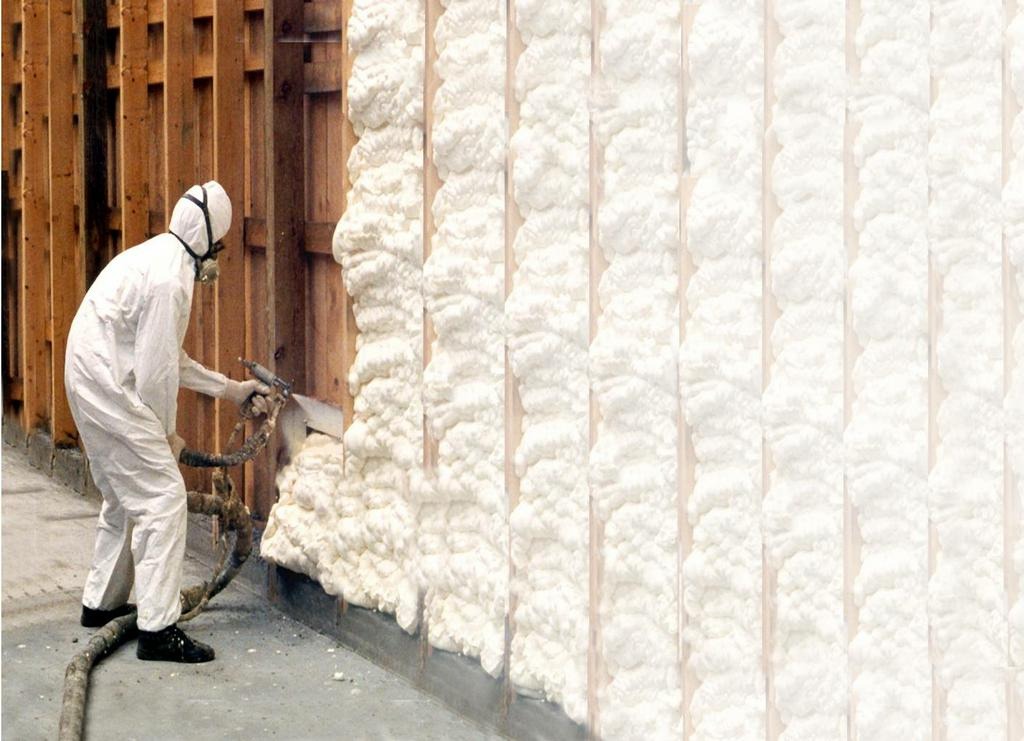
Benefits include:
Thermal resistance — enjoy lower heating and cooling costs. Spray foam fills gaps and voids to create a barrier that prevents energy loss. It also provides a superior R-value (resistance to heat flow / insulating power).
Moisture barrier — controls moisture to help prevent mold, mildew, and bacterial growth. Plus, it keeps out dust and other pollutants to maintain a healthy indoor air quality (IAQ).
Air barrier — creates a seamless insulated barrier to minimize air leakage and reduce outside noises.
Frequently Asked Questions:
What is spray foam insulation?
Spray foam insulation is a type of insulation that is sprayed onto surfaces. It expands and hardens into a solid foam. This foam fills gaps and cracks, making it a great barrier against air leaks, moisture, and temperature changes.
Is spray foam insulation safe for my home and family?
Yes, spray foam insulation is safe when installed by professionals. It helps improve indoor air quality by reducing dust and pollutants. It’s important to make sure the area is well-ventilated during installation and to follow safety guidelines.
How long does spray foam insulation last?
Spray foam insulation is very durable and can last for the lifetime of your home. It doesn’t settle or sag over time, so it stays effective for many years.
Will spray foam insulation help lower my energy bills?
Yes, spray foam insulation is very good at reducing energy loss by creating a tight seal that stops air leaks. This can lead to much lower heating and cooling costs.
Can spray foam insulation be used in existing homes, or is it only for new construction?
Spray foam insulation can be used in both new and existing homes. For existing homes, it can be applied to attics, crawl spaces, and walls to improve insulation and energy efficiency.
SOUNDPROOFING
When the neighbors kick out the jams, you need to soundproof your walls to keep out the noise!
HomeRx offers acoustic insulation solutions for your home to improve your quality of life and peace of mind. Building soundproof walls involves using the right products—and a knowledgeable company that knows how to install insulation the right way.
At HomeRx, we offer residential and commercial insulation services, air sealing, and other services. Call us today for a free consultation about your next project.
Soundproofing Your Home?
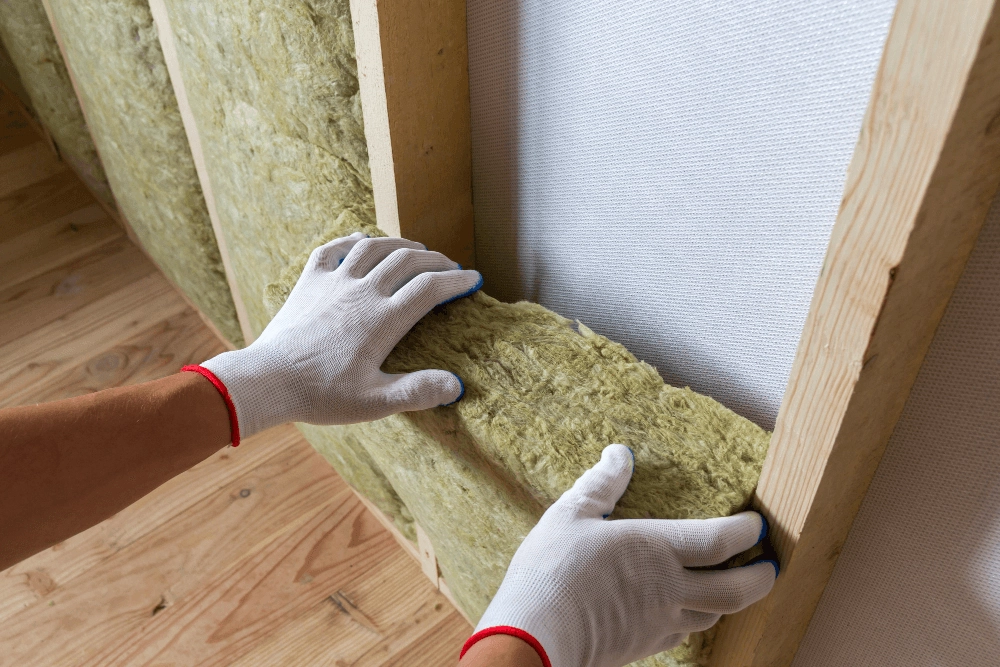
Insulation creates a practical barrier to reducing outside noise levels. The best materials for soundproofing are cellulose, fiberglass, or foam insulation. You can install these products in the walls, ceilings, or floors, reducing noises from the outdoors and room-to-room noise.
Loud noises are almost impossible to tune out. They can raise your blood pressure, lead to headaches, and cause fatigue—even hearing loss, according to the Centers for Disease Control and Prevention (CDC). Your solution is to soundproof your home.
Acoustical Solutions
Adding insulation throughout your home not only increases your comfort—but can also lower noise levels. You may want to create a sound barrier between a recreation room and a bedroom, or the bathroom and kitchen.
HomeRx can help you decide the best choices. We’re a trusted name for providing practical and affordable weatherization and energy services.
We guarantee 100 percent of any products we install in your home for one year. Should our product not meet your satisfaction, we will make the necessary corrections at no cost to you.

Wall Insulation Upgrades
Companies use Sound Transmission Class (STC) ratings to determine how effective a floor or wall is in resisting sound. An interior wall between living spaces, for example, should have an STC of at least 36.17, according to the North American Insulation Manufacturers Association (NAIMA).
The higher the number, the better the soundproofing. Bedroom walls should have an STC rating of at least 52—while living rooms, bathrooms, and kitchens should be around 56. Key areas to install sound insulation include:
Exterior Walls—
Your exterior walls provide a front line of defense against outside noise pollution. As stated above, these walls should have an STC rating of not less than 36.17.
Interior Walls—
Your interior walls between living spaces should have a similar STC rating of around 36 as your exterior walls.
Don’t forget your ductwork! Your air ducts provide the perfect conduit for carrying sounds. Insulating your ducts reduces energy loss and cuts down unwanted noises. Sealing the joints in your air ducts will also improve noise levels.
Road/Traffic Noise Reduction
Do you live near a bustling downtown or commercial corridor? Does it sometimes seem like motorists want to honk their horns whenever they drive past your home?
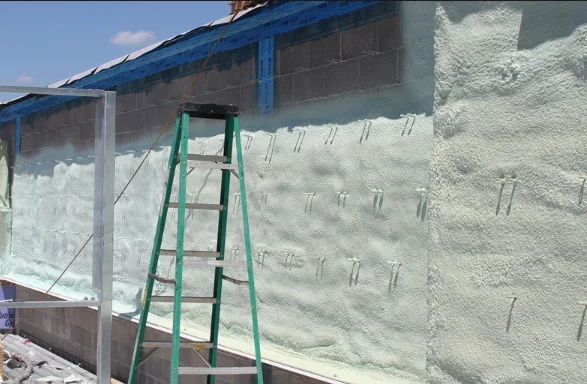
Adding a healthy layer of spray foam insulation to your exterior way is an excellent way to keep out traffic noise. Fiberglass also works—but spray foam fills every crevice in the wall cavity, blocking out all unwanted sounds.
Insulate your Home Against Noisy Neighbors
It might be a barking dog. Or a really loud teenager. Either way, HomeRx has acoustical solutions to keep you on good terms with your noisy neighbors.
Along with insulating your walls, install soundproofing curtains that are woven with thermal insulation to soak up noise and block light from entering your home. A more subtle strategy is to add a little white noise, such as a running fan. You won’t block out a leaf blower, but it could help with the loud music!
Sealing cracks around windows and doors keeps out the cold weather—and reduces loud noises. Adding soundproof windows with an STC rating of at least 48 will effectively reduce outdoor sounds.
SOLAR ATTIC:
Solar Attic Fans for Better Ventilation and Energy Savings
Solar attic fans are a powerful way to improve your home’s ventilation while reducing energy costs. By harnessing the power of the sun, these fans help regulate attic temperatures by expelling hot air, reducing the workload on your HVAC system. Proper attic ventilation can significantly lower indoor temperatures during the summer, preventing heat from building up in your attic and radiating down into your living spaces.
At MJ Insulation & Construction LLC, our solar attic fans are designed to optimize airflow, providing a cost-effective, eco-friendly solution to home ventilation. With no operating costs, solar attic fans are a smart investment that pays for itself over time.
Benefits of Solar Attic Fans
Energy Efficiency:
By reducing attic temperatures, solar attic fans decrease the strain on your air conditioning system, leading to lower energy consumption and utility bills.
Extended Roof Life:
Proper ventilation helps prevent moisture buildup in the attic, which can lead to mold growth and roof damage. Solar attic fans help maintain a balanced attic environment, extending the life of your roof.
Eco-Friendly:
Solar attic fans run on solar power, meaning they require no electricity to operate. This makes them an environmentally friendly solution for home ventilation.
Temperature Control
Solar attic fans help regulate indoor temperatures, keeping your home cooler in the summer. This makes your living spaces more comfortable while reducing the need for air conditioning.
No Operating Costs:
Because solar attic fans are powered by the sun, they come with no ongoing operating costs, making them a long-term investment in energy savings.

Professional Solar Attic Fan Installation
At MJ Insulation & Construction LLC, we offer expert installation of solar attic fans to ensure they perform at their best. Our team will assess your attic and recommend the best placement for maximum ventilation efficiency. With our solar attic fan installation, you can enjoy a more comfortable home, lower energy bills, and peace of mind knowing you’ve made an eco-friendly choice.